Maryland is already moving toward making housing significantly more energy efficient through a combination of government regulation, financing programs, and real-world net-zero pilot projects. This is transforming traditional homes into comfortable, low-maintenance spaces that are less dependent on fossil fuels, setting the direction for developers, utilities, and homeowners.
Government policy and goals
Housing decarbonization goals. As part of its transition plans, Maryland has set ambitious goals for reducing emissions and decarbonizing buildings—target scenarios call for a ~95% reduction in emissions from the building sector by 2045 and large-scale electrification of heating and hot water. These long-term goals set the regulatory framework for energy efficiency standards and support programs.
Energy codes and stretch codes. State and local jurisdictions are implementing stricter requirements for building thermal performance, ventilation, airtightness, and heating/cooling systems. In addition, there is a practice of implementing voluntary or mandatory stretch codes that exceed the requirements of the basic energy code. This facilitates the implementation of standards for new housing and the modernization of existing stock.
Financing and incentive programs
EmPOWER Maryland. The EmPOWER Act and program (2008) require the state’s largest electric utilities to implement energy efficiency packages: subsidies for energy audits, insulation, appliance replacement, the Home Performance program, etc. Such programs lower the barrier to entry for homeowners and increase the market for energy-efficient services.
Grants and loans from DHCD and MEA. State agencies (the Department of Housing and Community Development and the Maryland Energy Administration) offer and develop targeted programs: loans and grants for the construction of Net-Zero homes, assistance programs for low/moderate income households, and recently announced multi-million dollar grants (e.g., $25 million in FY26) for homeowner solar retrofits and installations. These funds reduce upfront investment and accelerate technology scaling.
“Housing of the Future” Technologies and Practices
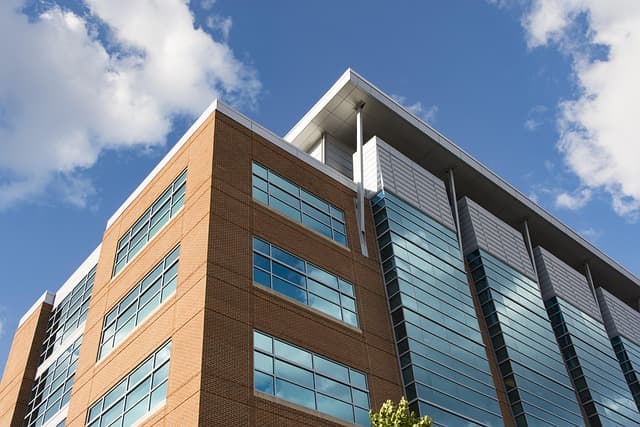
Passive design principles. Good orientation to the cardinal points, increased thermal insulation, airtight building envelopes, controlled thermal bridges, and high-performance windows are the basic set of measures that can dramatically reduce heat consumption. (Experience from pilot projects shows that passive measures can reduce consumption by 50-70%.)
Electrification and heat pumps. Replacing gas furnaces and boilers with heat pumps (air-to-water, geothermal systems) is becoming a standard recommendation in state plans; when installed correctly, heat pumps provide higher efficiency and are compatible with electricity from renewable sources.
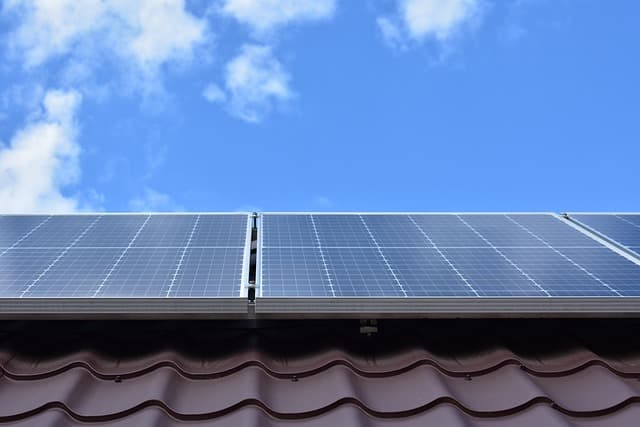
Renewable generation + storage. Roof-mounted photovoltaic panels combined with batteries (or net-metering/community solar programs) can make a home net-zero or significantly reduce utility bills. State grants increasingly cover part of the cost of such systems.
Heat recovery ventilation systems. Controlled supply and exhaust ventilation with heat recovery (HRV/ERV) ensures air quality and minimizes heat loss during ventilation — critical for airtight, high-performance homes.
Real-world examples in Maryland
NIST Net-Zero Residential Test Facility (Gaithersburg). The NIST research house demonstrates a combination of solar generation, geothermal exchange, radiant heating, and recovery systems — a good example of a laboratory implementation of the net-zero concept in the Maryland climate.
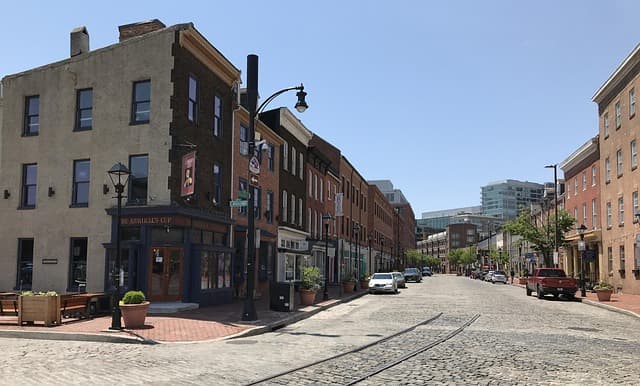
Pilot and certified Net-Zero homes by county. The state already has a number of certified net-zero or extremely energy-efficient renovations (e.g., projects in Montgomery County and Baltimore), including both new construction and renovations of historic homes with deep energy retrofits. These cases demonstrate the practical achievability of zero energy consumption and savings for families.
Economics and payback
The initial costs of high-performance insulation, heating, and solar panels are higher than standard construction, but due to reduced operating costs and the availability of grants/incentives, the payback period for most projects is between 7 and 20 years, depending on the size of the home, rates, and the availability of subsidies. The availability of EmPOWER programs and government grants significantly reduces this period.
Barriers and challenges
Capital costs and access to financing. Despite grants, the initial investment remains a significant barrier for many households. Expanding affordable incentives and low-interest loans remains a key challenge.
Workforce and quality of work. The transition to high-performance construction requires skilled contractors, builders, and inspectors — a shortage of such professionals slows down scaling.
Network infrastructure and DER integration. Mass electrification will increase the load on distribution networks, requiring investment in modernization and smart solutions for integrating distributed generation and storage.
Practical recommendations for developers and homeowners
For developers: design with passive solutions in mind, include heat pumps and preparation for future solar panel installation (reinforced roofs, space for inverters) in your estimates, and use energy audits in the early stages.
For homeowners: start with an energy audit (often partially or fully subsidized by EmPOWER programs), then prioritize airtightness, insulation, and an efficient heating system; consider participating in government programs and grants for PV/battery installation.
Conclusion — what will be the “housing of the future” in Maryland
The housing of the future in Maryland is a combination of high energy efficiency standards, electric heating systems and appliances, integration of renewable generation, and support programs that make these technologies affordable. State initiatives and real-world pilots have already proven the technical and economic viability of such approaches; the next task is large-scale deployment through training of specialists, increasing financial instruments, and integration into building codes. By fulfilling these conditions, Maryland can transform its homes into energy-independent, comfortable, and affordable spaces.