Maryland is actively promoting sustainable urban development by combining state initiatives, local programs, and innovative projects. State agencies such as the Department of Housing and Community Development (DHCD) play a key role in supporting sustainable communities. The Sustainable Communities Program provides local governments with tools to revitalize older neighborhoods while considering environmental, economic, and social aspects. This program includes tax credits, grants for infrastructure improvements, and support for historic preservation. Maryland is also implementing sustainable planning principles aimed at improving quality of life and protecting the environment. A recent bill passed by the General Assembly establishes a set of planning principles that prioritize quality of life and environmental protection.
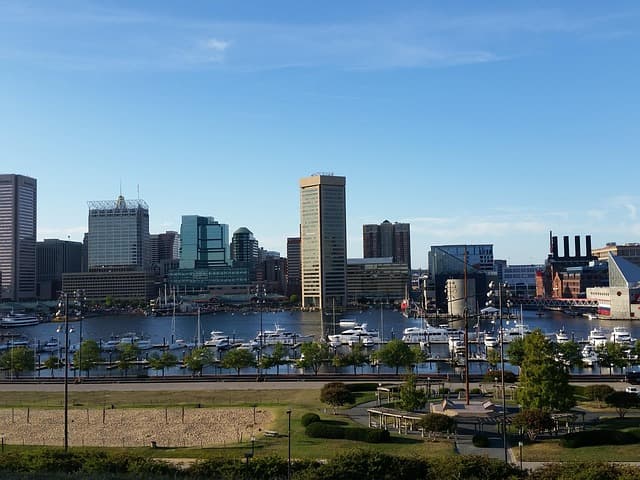
At the local level, cities such as Baltimore are actively implementing sustainable initiatives. Baltimore’s Sustainable Communities Plan includes projects to restore abandoned buildings, create green public spaces, and improve transportation infrastructure. The Vacants to Value program aims to rehabilitate more than 1,000 vacant buildings, attracting private investment and improving the urban landscape. In addition, Baltimore is actively developing the Resiliency Hub program, which helps communities prepare for natural disasters and increases their resilience.
Maryland is also making significant strides in education and research. Morgan State University offers a master’s certificate in sustainable urban communities, training professionals who will develop solutions for sustainable urban development and serve underserved communities. The Center for Sustainable Growth at the University of Maryland is working to create more sustainable and prosperous communities by conducting research and educating students in the field of sustainable planning.
Maryland is also actively developing initiatives in the field of sustainable energy. The Community Solar program allows residents, especially those with low and moderate incomes, to access solar energy even if they are unable to install solar panels on their own roofs. The Panorama Landfill project in Fort Washington, the largest solar farm on a former landfill in the United States, is a prime example of using unused land to produce renewable energy.
In this way, Maryland is demonstrating a comprehensive approach to sustainable urban development, combining state initiatives, local programs, and innovative projects. These efforts are aimed at creating more sustainable, environmentally friendly, and socially responsible cities, which serve as an example for other regions.